
Raising and Selling Farm Fresh Eggs
A Simple Guide to Raising Egg-Laying Chickens on Your Homestead
8/13/20253 min read
*Our links are associated with an affiliate program, and we earn a small commission when you buy through our links <3
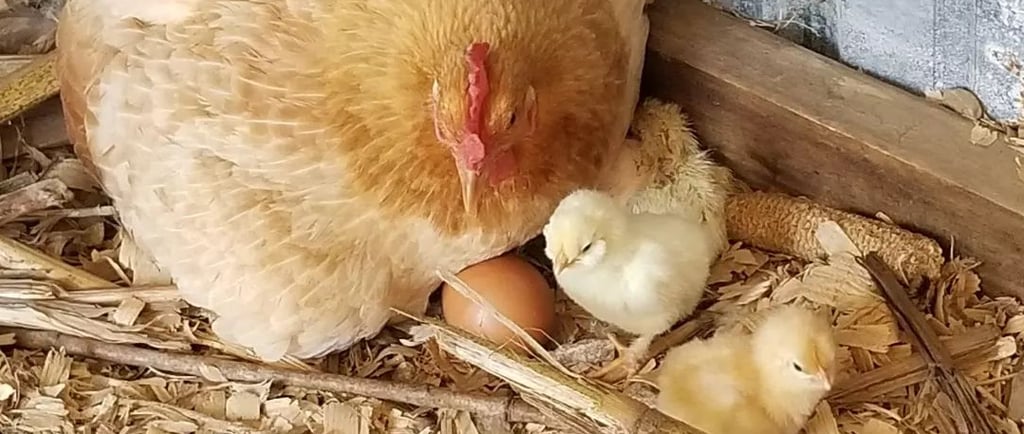
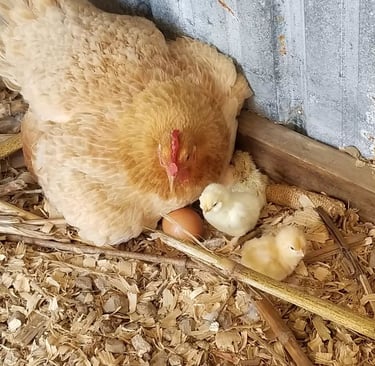
From Chicks to Profit: Raising Egg-Laying Chickens for Your Homestead
Raising egg-laying chickens is one of the most rewarding and profitable additions to a homestead. Not only do you get fresh, nutritious eggs for your family, but surplus eggs can be sold to neighbors, at farmer’s markets, or even through subscription egg shares. Whether you’re a first-time chicken keeper or looking to expand your flock, starting with healthy chicks can set you on the path to a steady source of income.


Why Chickens Make Sense for Homestead Income
Low Start-Up Costs – Compared to other livestock, chickens are affordable to purchase and maintain.
Quick Return on Investment – Most breeds start laying at around 18–24 weeks.
Multiple Revenue Streams – Eggs, composted manure, and even pullets for resale can generate income.
Sustainable Food Source – Keeps your household stocked with fresh eggs year-round.
Check out these links for some items for starting to sell your eggs:
Cartons - https://amzn.to/4fLtxcf
Labels - https://amzn.to/3HyXhfI
Farm Stand Sign - https://amzn.to/4fwM1wU


Choosing the Right Breed
Not all chickens are created equal when it comes to egg production. Popular high-yield layers include:
Rhode Island Red – Hardy and lays 250–300 brown eggs per year.
Leghorn – Known for large white eggs and incredible production rates.
Australorp – Gentle temperament with consistent laying.
Here is a book to help learn the different breeds - https://amzn.to/3JkLWAt


Brooding Your Chicks
Newly hatched chicks need warmth, food, and clean water to thrive. Set up a brooder before your chicks arrive:
Heat Source: Maintain 95°F for the first week, lowering by 5°F each week until fully feathered.
Bedding: Pine shavings work well—avoid cedar.
Feed: Use a high-protein chick starter (around 20%) feed until they’re ready for grower feed.
Check out these items:
Incubator - https://amzn.to/3UZUNtT
Brooder - https://amzn.to/4mKLU3j
Chick Starter Feed - https://amzn.to/4lrXlfd


Transitioning to the Coop
At around 6–8 weeks old, your chicks will be ready to move to their outdoor coop. Your coop should:
Be predator-proof (think raccoons, hawks, foxes).
Have 4 sq. ft. of indoor space and 8–10 sq. ft. of run space per bird.
Include nest boxes (1 box per 3–4 hens) and roosting bars.
You can build your own coop or check out these ideas: https://amzn.to/4ltmOF9


Peak Laying & Marketing Your Eggs
Most hens begin laying between 18–24 weeks. To boost production:
Provide 14–16 hours of light daily (natural + supplemental).
Feed a balanced layer feed with added calcium.
Keep fresh water available at all times.
Selling Ideas:
Farmer’s markets
CSA or subscription egg boxes
Farm stand or honor box system
Direct-to-neighbor sales


Expanding Your Flock for More Revenue
Once you’re comfortable raising layers, you can expand income by:
Hatching chicks and selling them as pullets.
Selling composted chicken manure to gardeners.
Offering farm tours or chicken-keeping classes.


Raising egg-laying chickens from chicks is more than just a fun homesteading project—it’s a smart business move. With minimal investment, you can create a sustainable income stream while providing your community with fresh, healthy food.
Pro Tip: Keep detailed records of costs, egg production, and sales so you can track your profitability over time.
Egg layer ledger - https://amzn.to/3Uogh3w